Just along from Annick Road lies Perceton, a medieval settlement and old country estate. Its ruined church is one of the oldest buildings in the Irvine district, with the earliest legible gravestone dating from 1698. Older stone coffins likely still rest deep within the mound beneath.
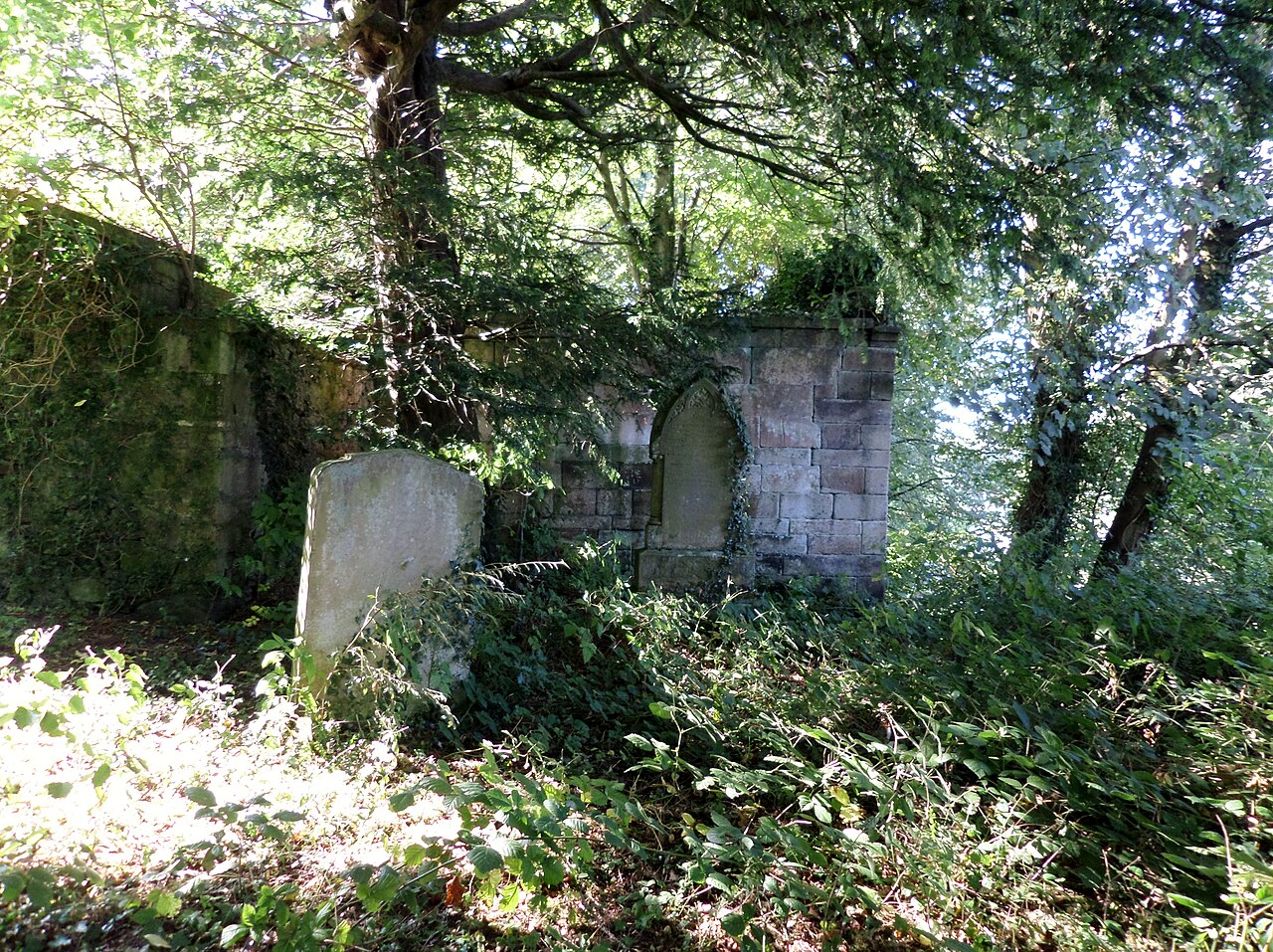
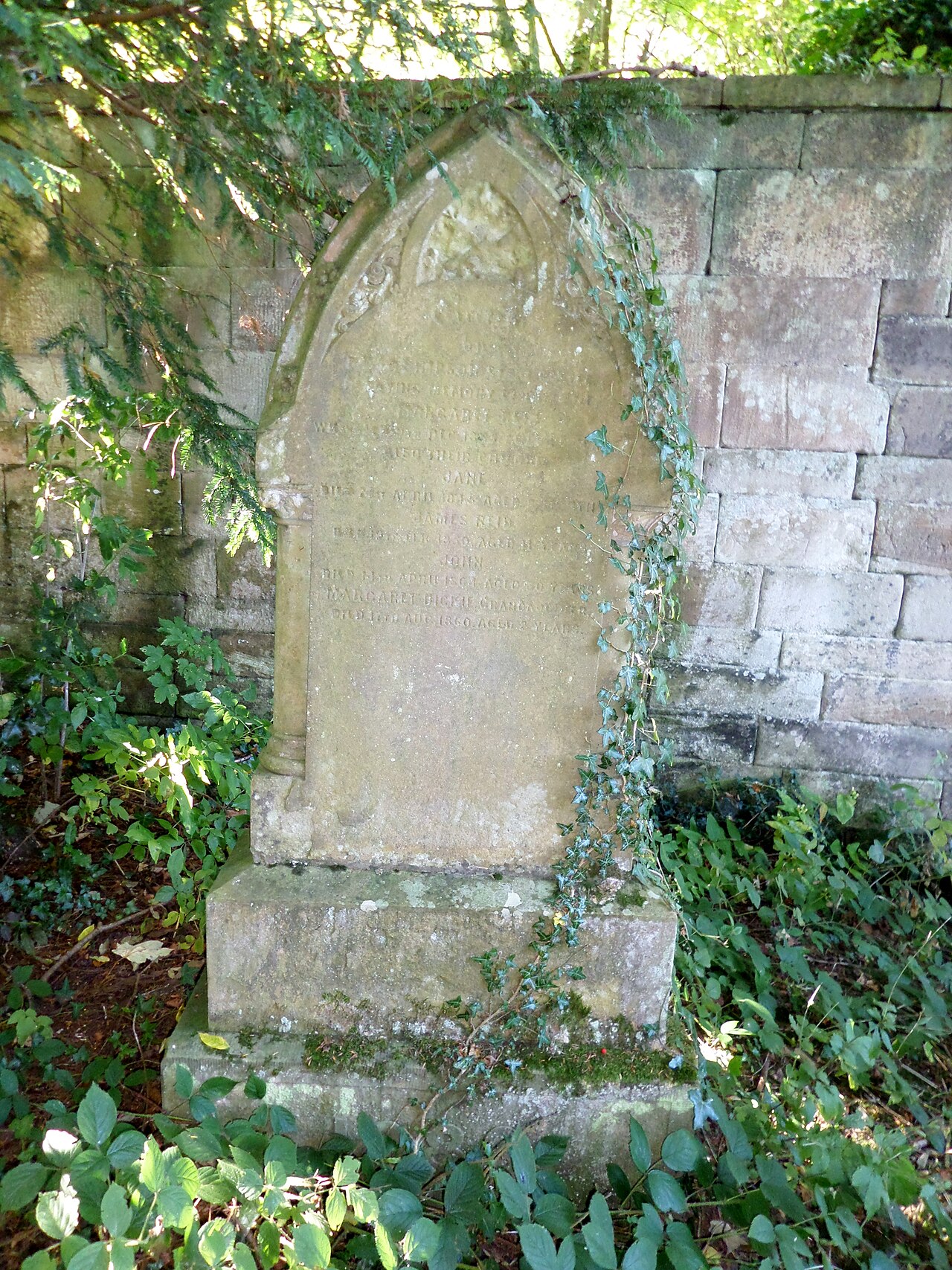
Perceton House
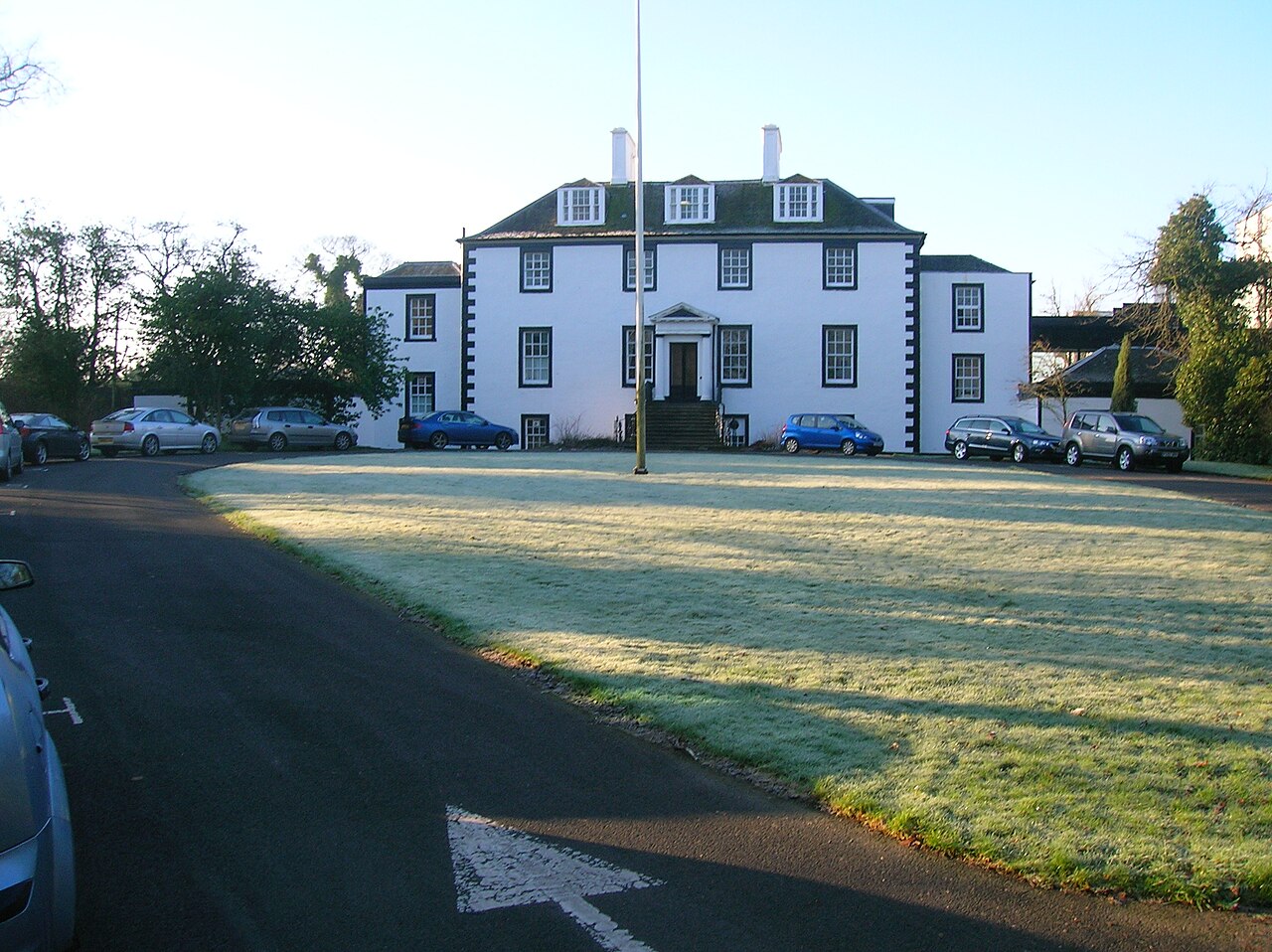
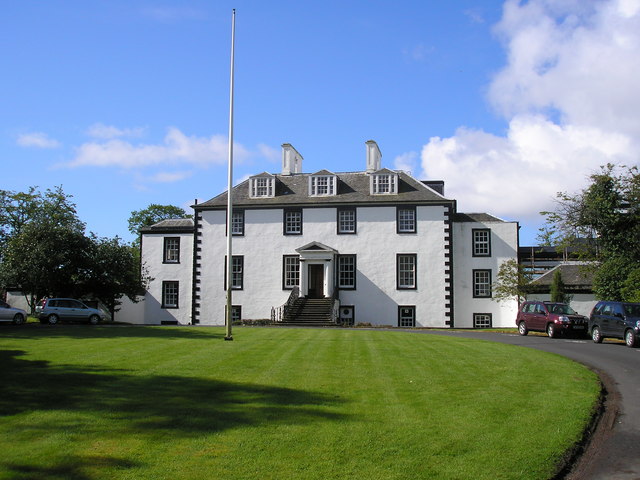
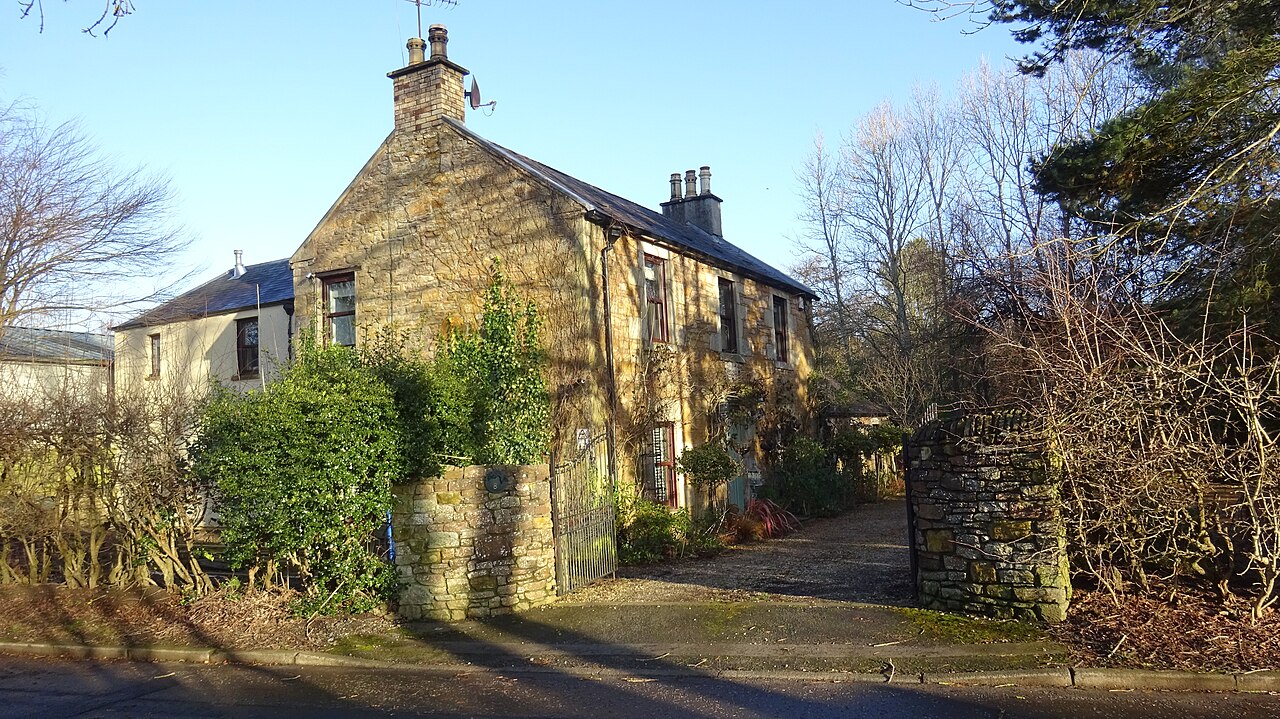
The present Perceton House dates from the late 18th century and is a Category B listed building. It has been demolished and rebuilt several times over the centuries. The house was converted to offices for the Irvine Development Corporation, with an office block designed so it could be easily converted into a hotel. North Ayrshire Council later took over the buildings.
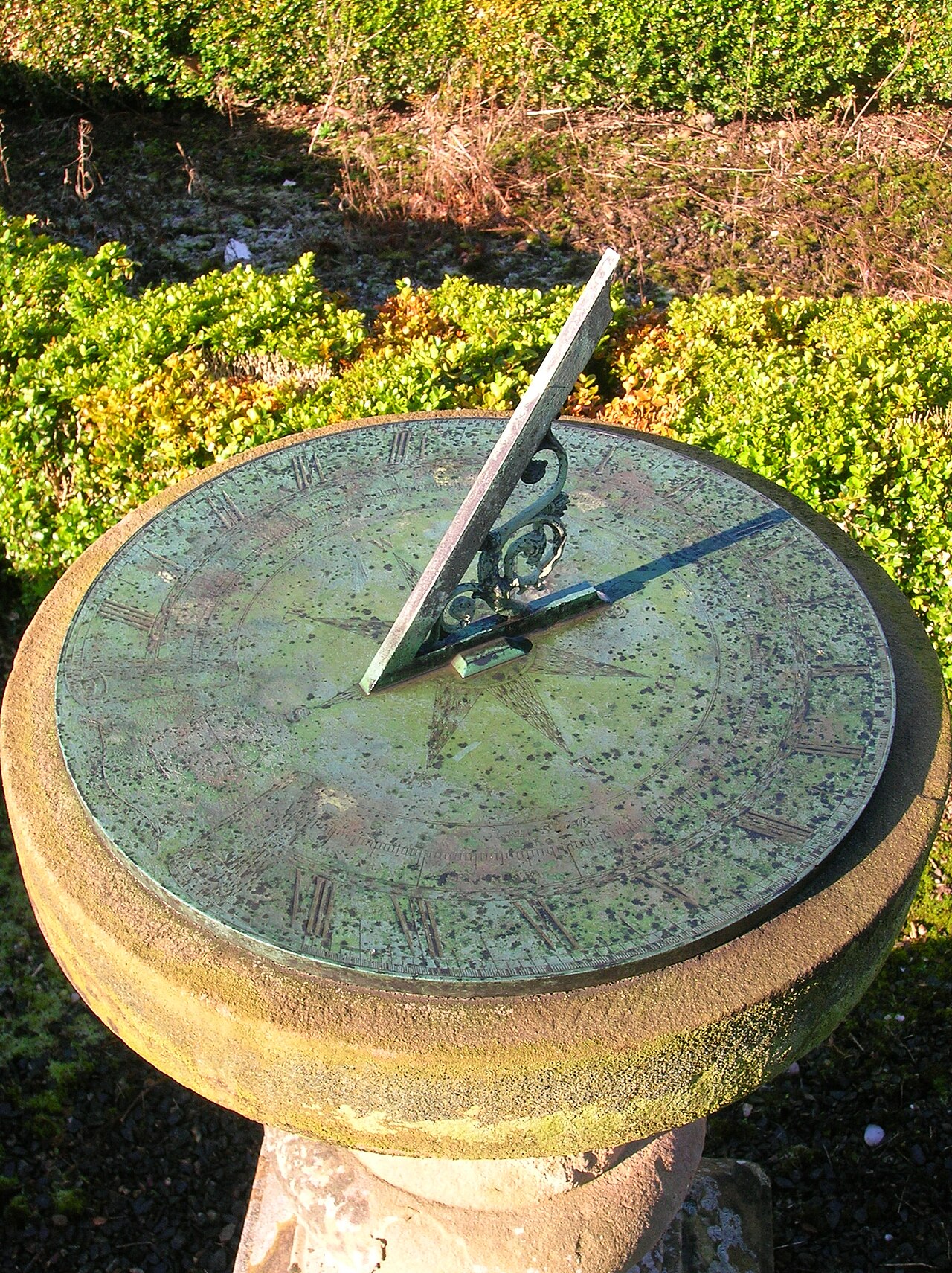
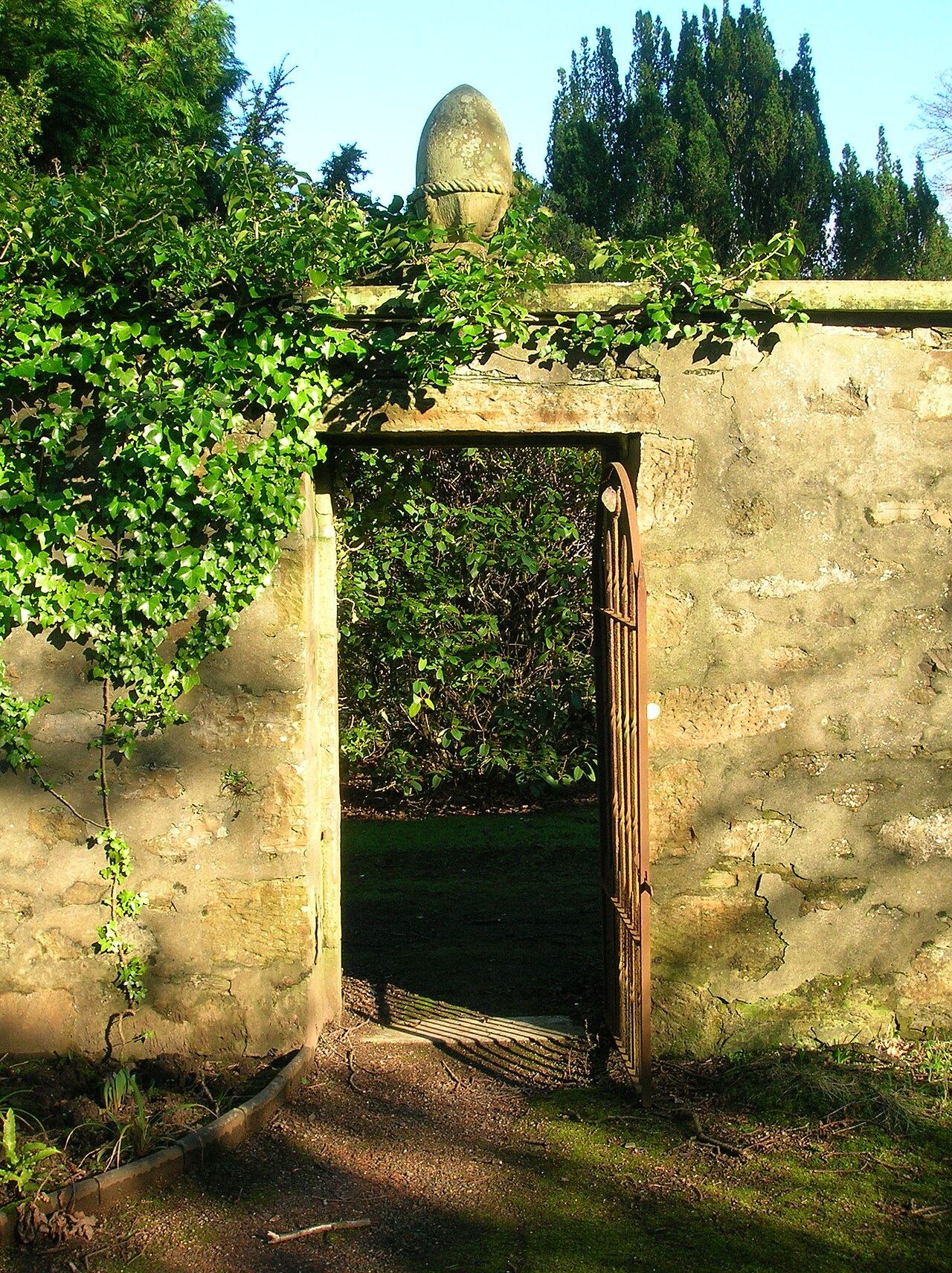
The estate's features survive in surprising ways. A sundial still stands in the grounds, and the old walled garden door — topped with a carved pineapple finial — remains intact.
A 12th Century Farmstead
Archaeological excavations at Perceton uncovered something remarkable: the foundation trench of a defensive wooden palisade enclosing postholes of a substantial timber building, dating to the 12th century. This was interpreted as a stockaded farmstead — a steward's residence managing land for an absentee lord.
In the early 14th century, Perceton became the principal residence of a member of the Stewart family. The old stockade was removed and a moat was excavated around a new manor house. In the late 15th century, a man named Ninian Barclay built another new mansion on the site — demolished in the 1720s when yet another owner built the present Perceton House.
Barony and Families
Perceton was originally a barony held under Hugh de Morille, Lord of Cunninghame. It passed through many families: the Stewarts, the Barclays (who held it from about 1400), and the Macredies (who bought it in 1720). In 1640, the lands were valued at £700 Scots.
The Mill and the Ford
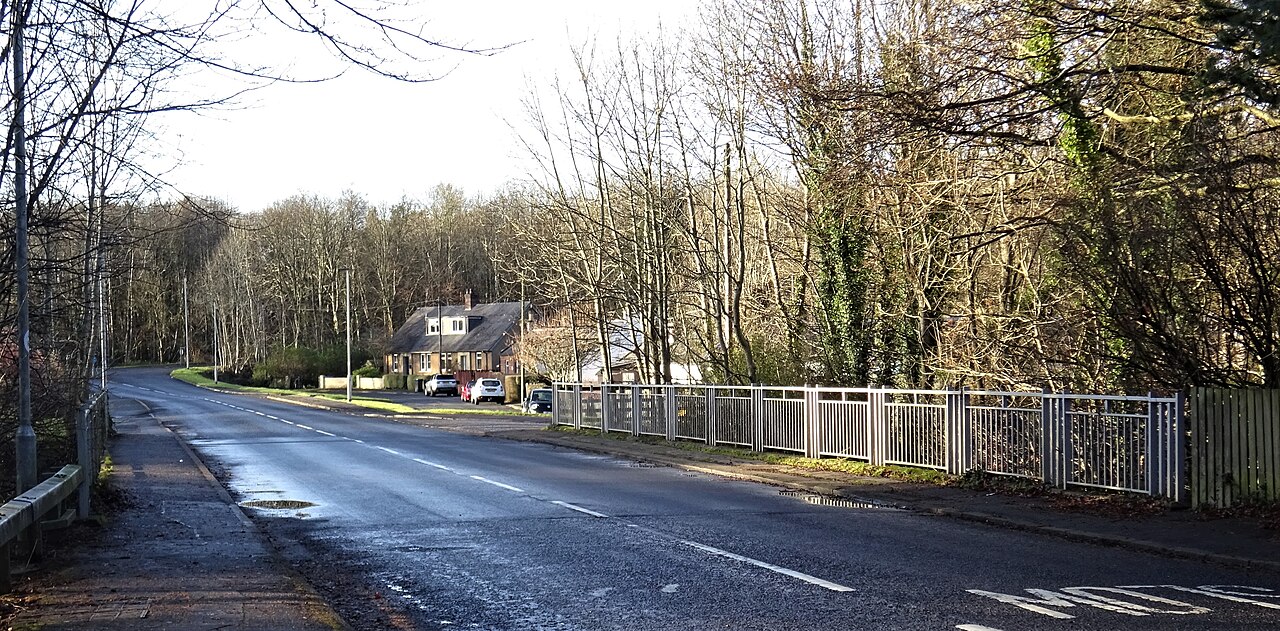
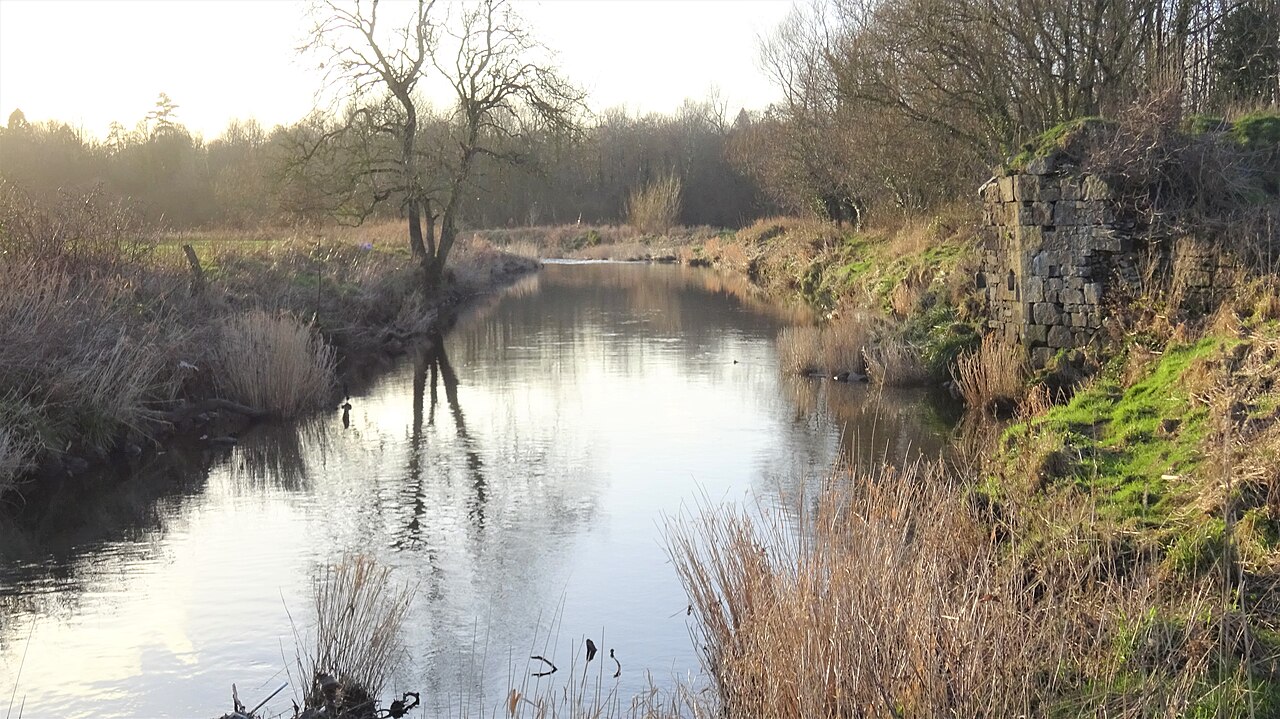
The line of the old Perceton Mill lade is still visible where it exits into the Annick Water. Lawthornbank Smithy stood on the opposite bank of the river. An old curling pond near Perceton is now managed as a Scottish Wildlife Trust nature reserve.