The ground around Annick Road has been revealing its secrets for decades.
Neolithic settlement at Dreghorn, just south of Annick Road. Archaeologists have provisionally dated finds to around 3500 BC, leading to claims that Dreghorn may be Britain's oldest continuously inhabited village — people have lived there for at least 5,500 years.
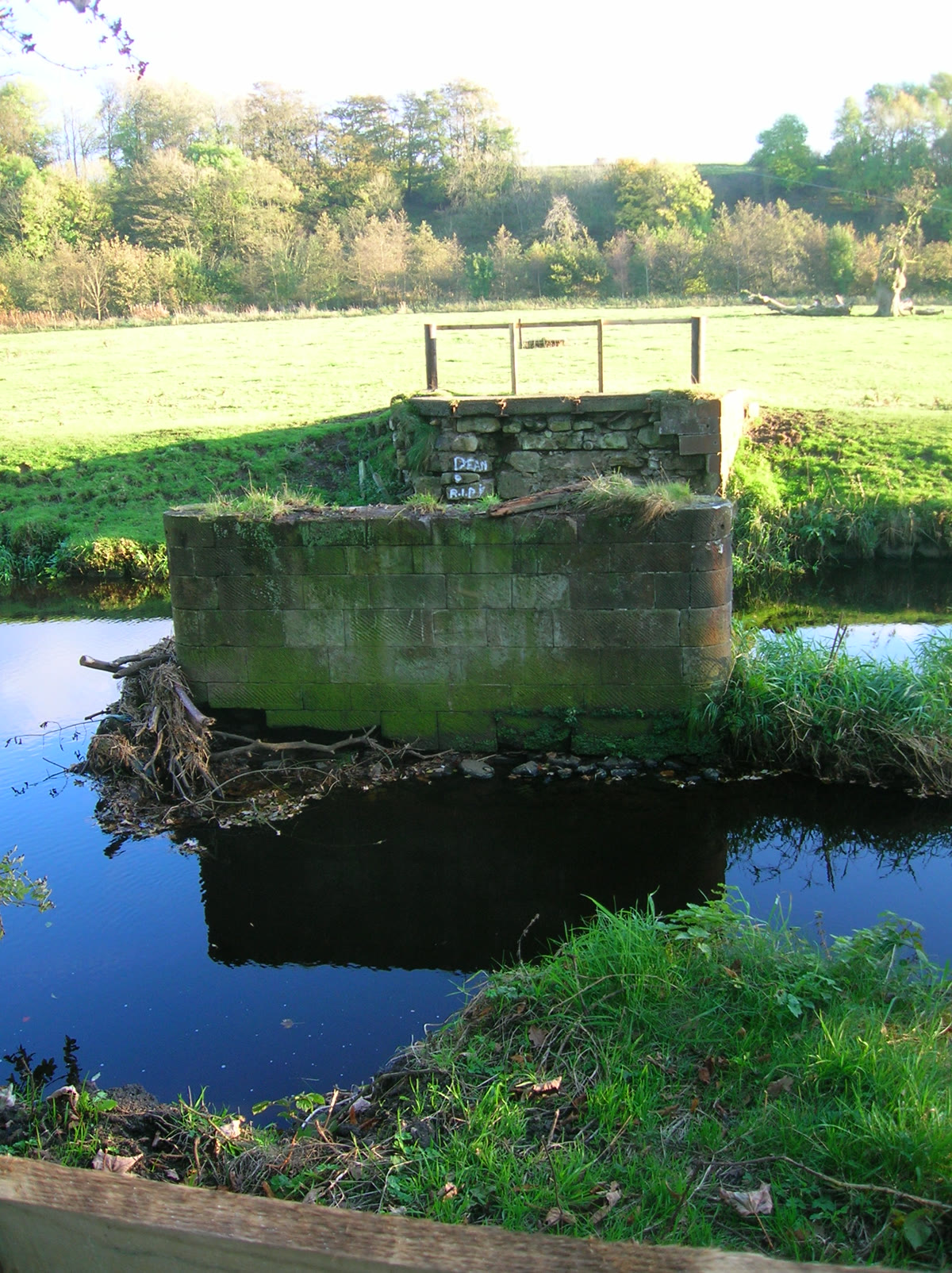
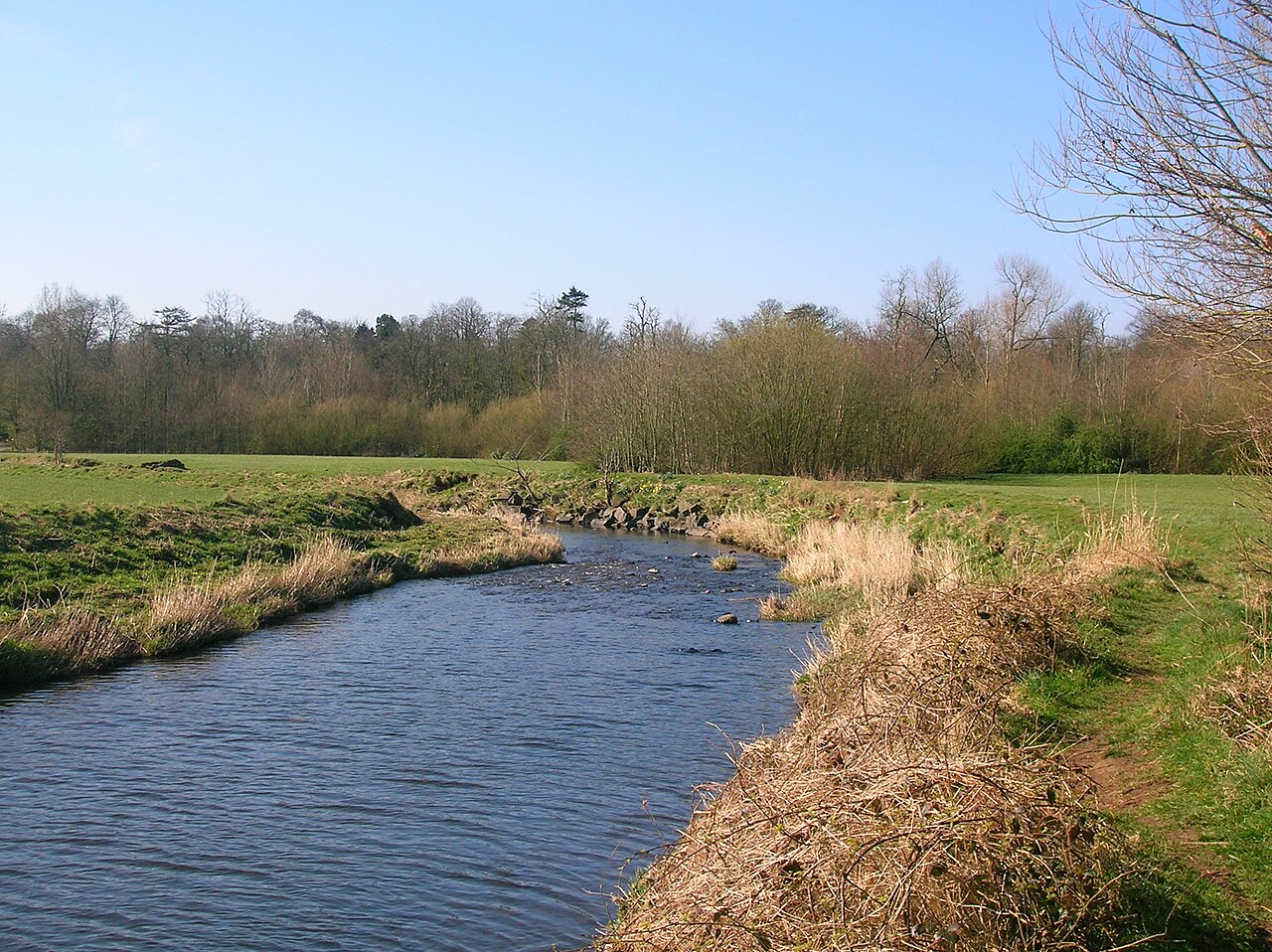
The Annick Water was used as a waterway by Mesolithic (Middle Stone Age) people. Many artifacts from this period have been found along the river from Bourtreehill to Dreghorn.
A defensive stockaded farmstead at Perceton, complete with palisade and gateways — discovered by Headland Archaeology.
A formal archaeological excavation on Annick Road itself, carried out by Williamson and Durnan. The dig produced a published Data Structure Report documenting the findings. The site is recorded by Canmore (Scotland's national heritage database) under site number 355432.