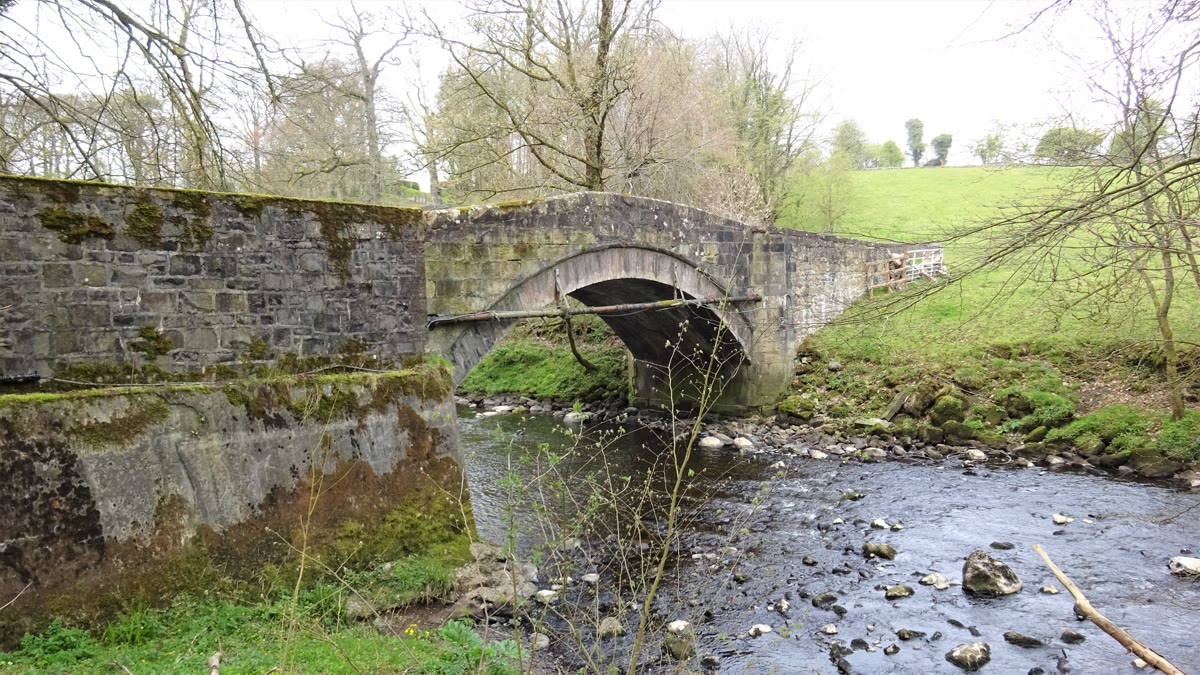
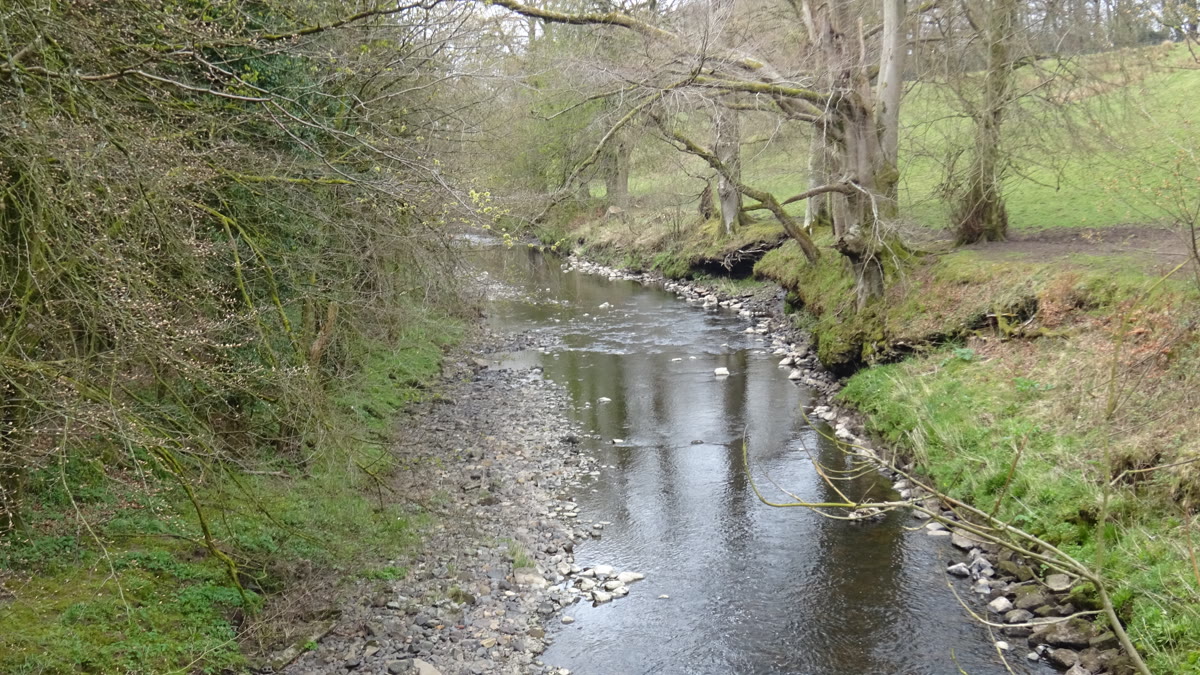
Annick Lodge is the grandest historic building on the road — a Category A listed property, the highest heritage designation in Scotland. The current house was built around 1790 for Captain Alexander Montgomerie of the Royal Navy, brother of Hugh Montgomerie, the 12th Earl of Eglinton.
The lodge stands on the site of the much older Pearston Hall, the medieval manor house of the lairds of Over Perceton. The earliest known description comes from the surveyor Timothy Pont, who called it "a proper building, veill planted."
A Grand Estate
The house was designed in a neo-classical style. The full listed building description reads: "Symmetrical design, centre 2 storey block, supporting 1 storey pavilions, curved connecting screen walls; harled; painted stone dressings; rusticated quoins; 2.1.2 sash window facade; slight centre projection pedimented with arabesque decoration in tympanum; 3 ornamental pediment urns; hipped slate Corinthian columned doorway. Screen walls topped by 3 ball finials; 2 rusticated doorways, centre raised keystones. Pavilions have recessed round headed panels. Victorian conservatory to rear of screen wall to right has raised circular glazed roof. Interior contains good 19th century decoration, original staircase with turned balusters. Kitchen premises at back may incorporate an earlier structure."
It was impressive for its era — records from as early as 1811 mention hot houses and greenhouses on the estate.
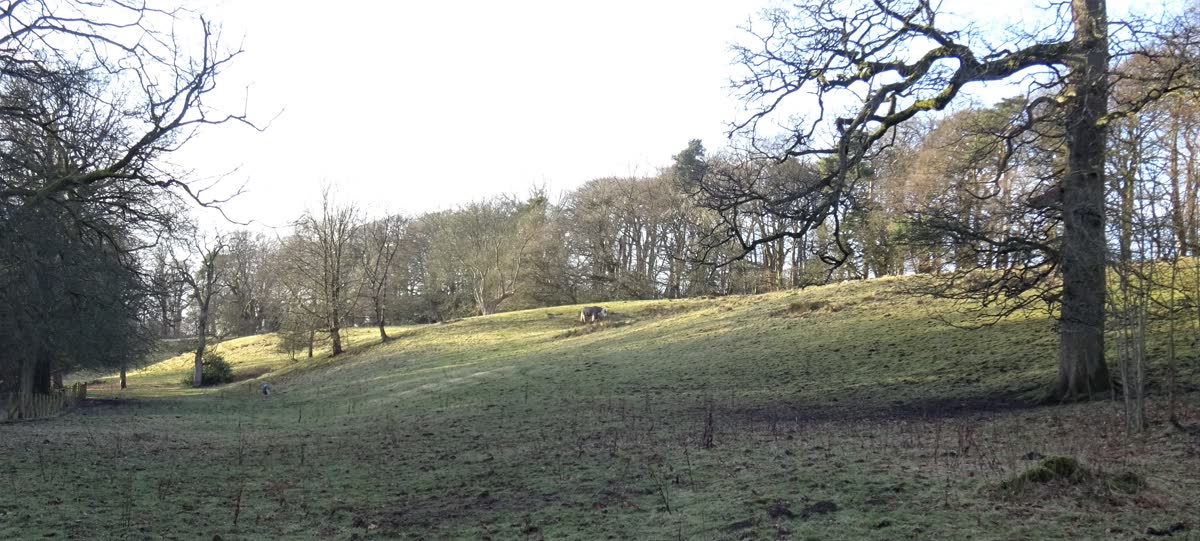
The grounds are a well-preserved example of an 18th-century ferme ornee — an ornamental farm that combined working agriculture with landscaped pleasure gardens. The estate still contains attractive 18th-century parkland with tree-lined avenues along the river and drive, a walled garden, and remarkably, 17th-century gate piers at the western approach.
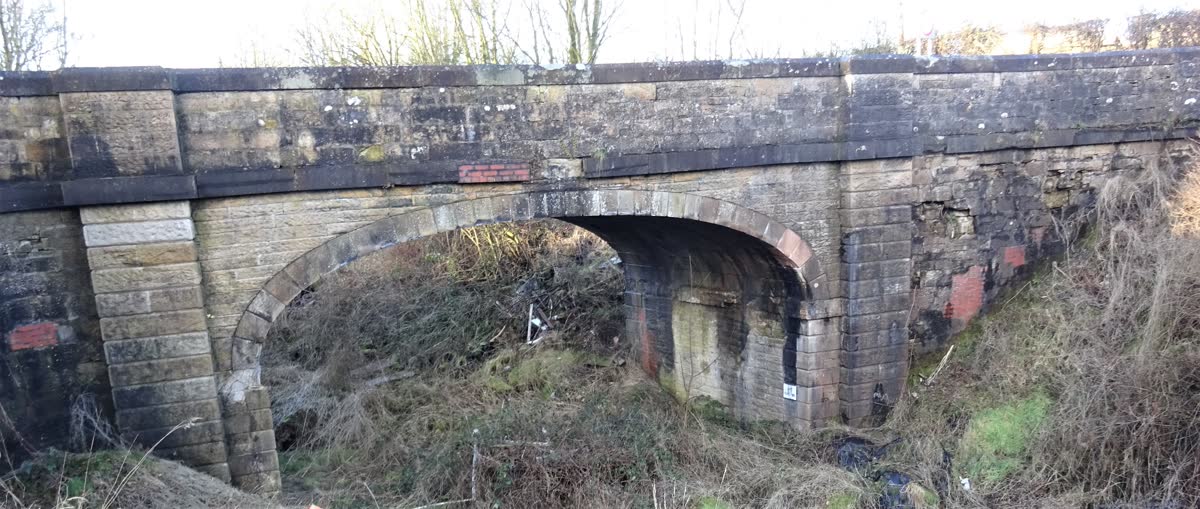
A Gothic-style footbridge, supported on stone piers, crosses the Annick Water from the garden — and a sundial of unknown age sits in the enclosed garden beside the house.
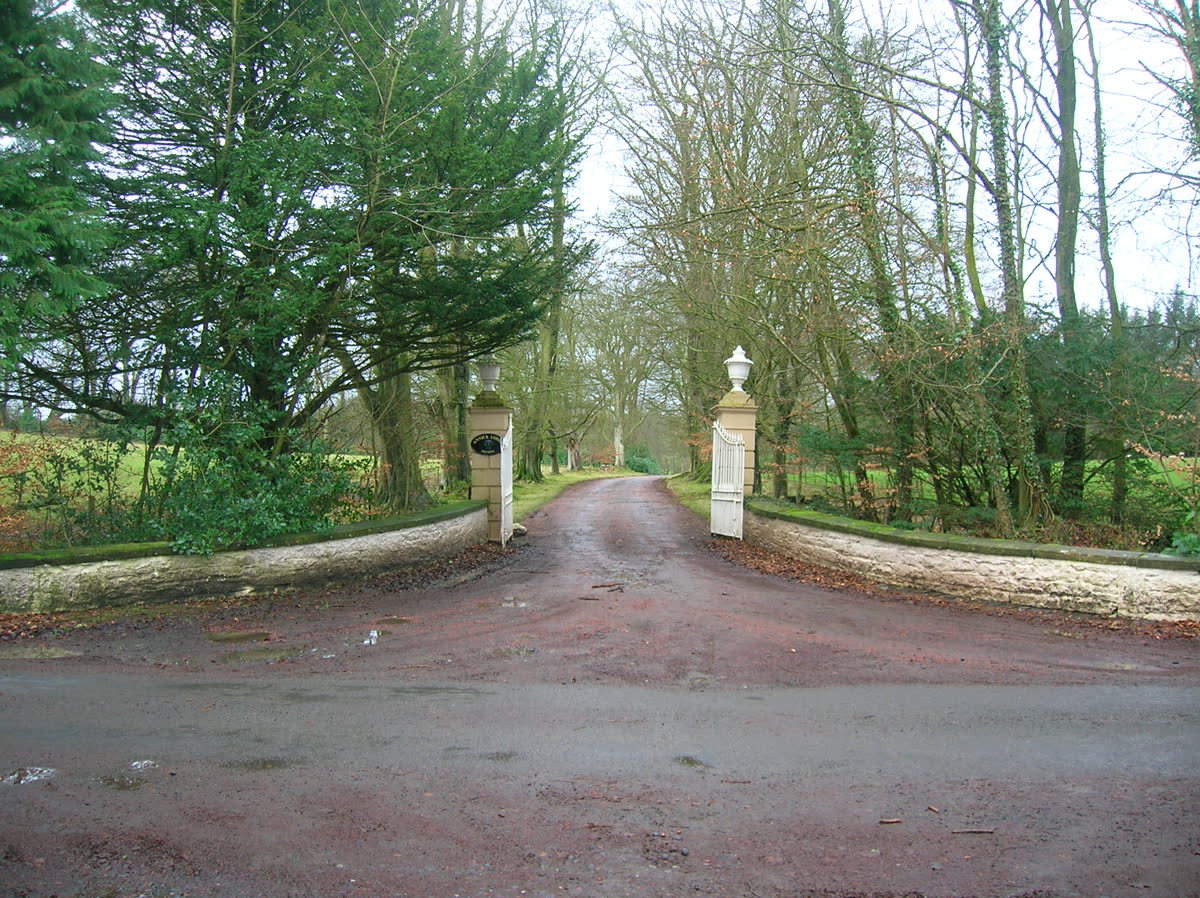
Later Owners
The Montgomerie family lived at Annick Lodge until 1885. It was later bought by Robert Barclay Shaw, and then sold to John Ronald Howie in 1935. Despite housing development nearby, much of the designed landscape survives intact, matching its extent on the 1885 estate survey.